The Dili to Darwin (D2D) Skills Initiative by AVM Group is progressing the development of a practical workforce pathway connecting skills and employment opportunities between Timor-Leste and the Northern Territory.
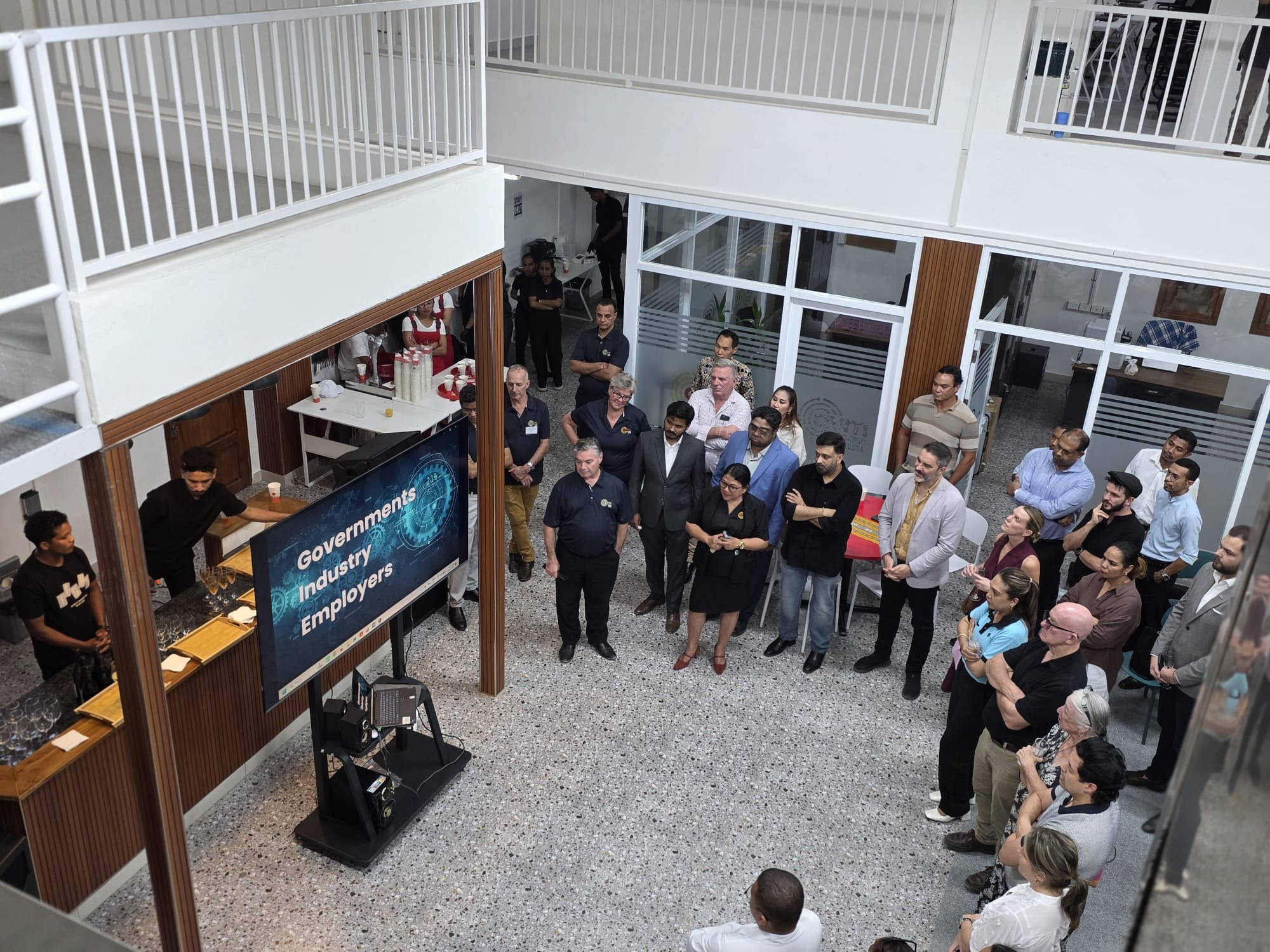
An important step in that journey took place in Dili on 4 September 2026, when representatives from government, industry, development organisations, industry advisory bodies, training institutions and the wider community came together to discuss the opportunity and the framework needed to support it.
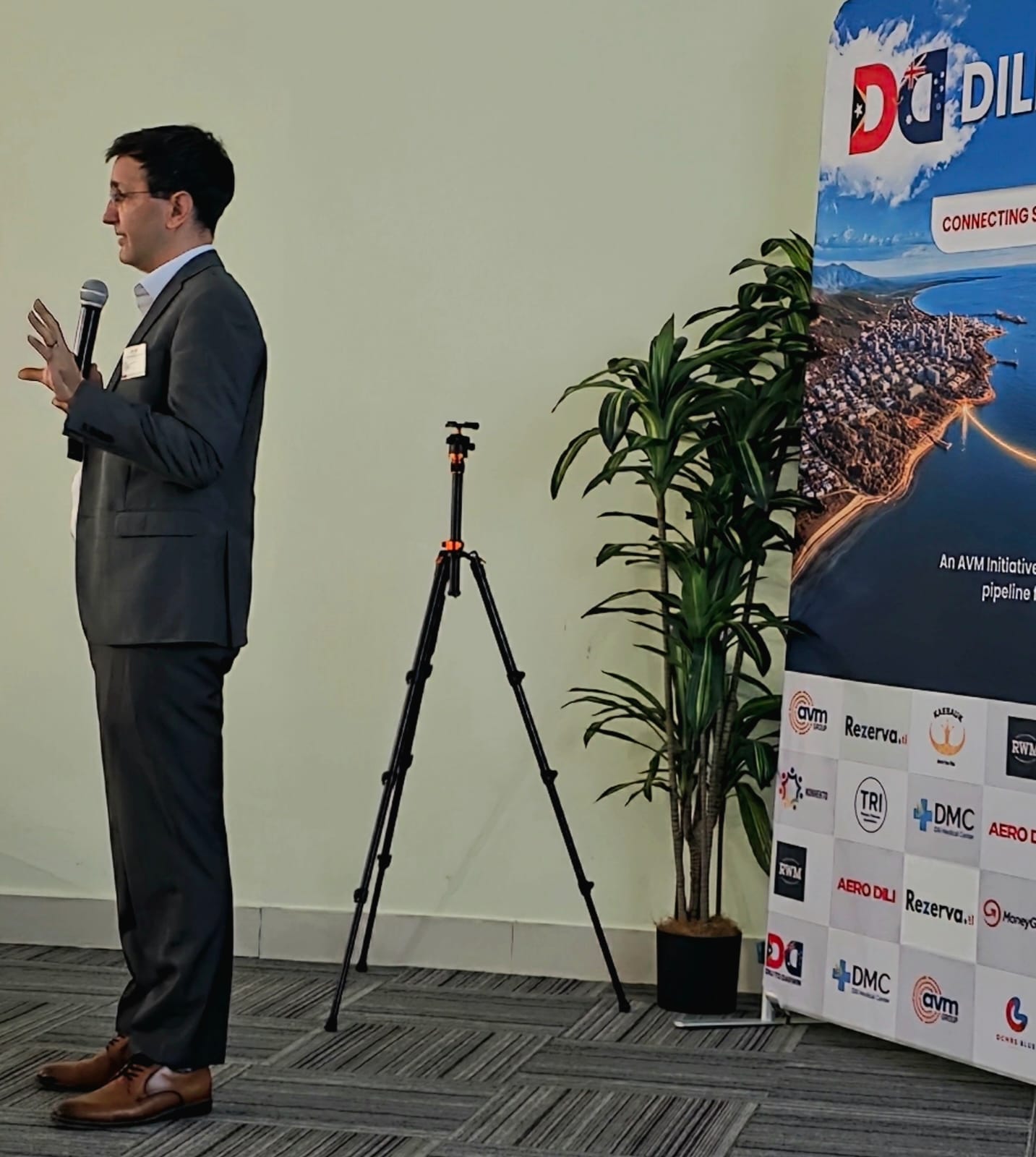
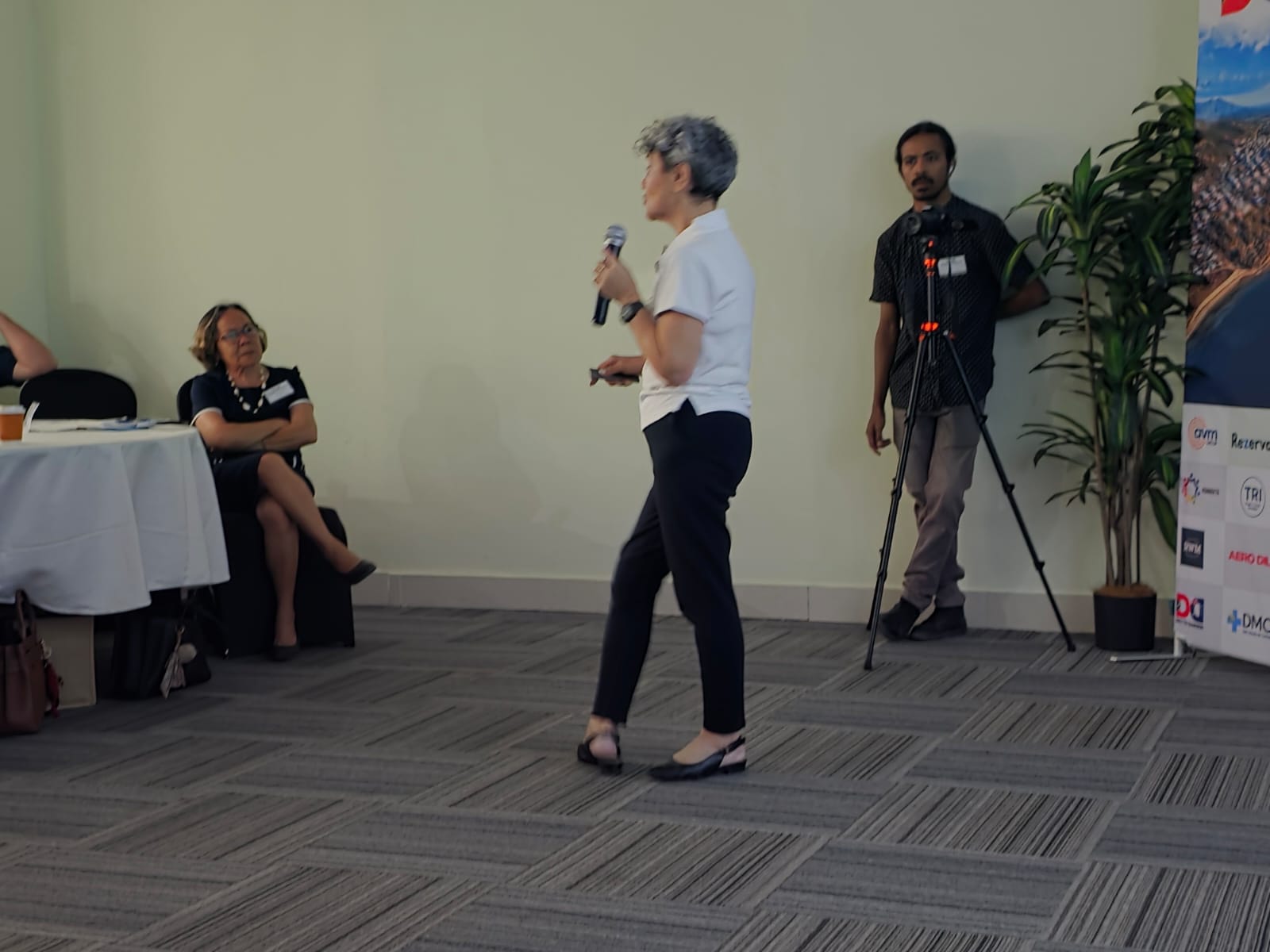
The event brought workforce demand, skills development and industry preparation into the same conversation, with David Freedman of the World Bank delivering the keynote address and senior representatives from Timor-Leste and the Northern Territory contributing to the discussions.

AVM Group has been developing D2D as proponent, investor and delivery coordinator, while recognising the distinct roles required to make such a pathway work. Governments retain responsibility for policy and regulation, employers make recruitment decisions, and industry, training and development partners contribute the expertise and capability needed to support the initiative.
At the heart of D2D is a practical opportunity.
The Northern Territory needs people with the skills and workplace readiness required by its employers. Timor-Leste has a young population with significant potential to develop skills for employment opportunities both at home and internationally.
D2D seeks to connect these complementary needs through a coordinated approach that starts with genuine employer demand in the Northern Territory.
From there, suitable candidates can be identified and prepared in Timor-Leste through practical, industry-aligned training. This can include technical skills, English capability, workplace readiness, safety and an understanding of workplace rights and responsibilities.
The Dili to Darwin Skills Initiative has a purpose beyond workforce mobility.
For the Northern Territory, it offers the potential to build workforce capacity around identified industry needs. For Timor-Leste, it can contribute to skills development, employment opportunities, stronger local capability and experience that can ultimately be brought back into its economy and communities.
The opportunity is to create a pathway in which skills, employment and economic value flow both ways, strengthening the connection between two neighbouring economies with increasingly complementary needs.