
Benefits
What Dili to Darwin – A Skills Initiative could mean for Timor-Leste, and for the Northern Territory.
Creating value on both sides of the Timor Sea
Dili to Darwin – A Skills Initiative (D2D) is an emerging workforce and skills initiative exploring stronger connections between Timor-Leste and the Northern Territory.
The two close neighbours have different but potentially complementary workforce circumstances. The Northern Territory needs greater workforce capacity to support its industries, infrastructure and essential services. Timor-Leste has a young population with growing aspirations to build skills, gain professional experience and access wider employment opportunities.
D2D starts with a simple principle: understand genuine workforce demand first, then develop skills and workforce preparation around identified needs.
This could include identifying occupations where demand exists, aligning training with industry requirements, strengthening English and workplace capability, and supporting responsible employment pathways.
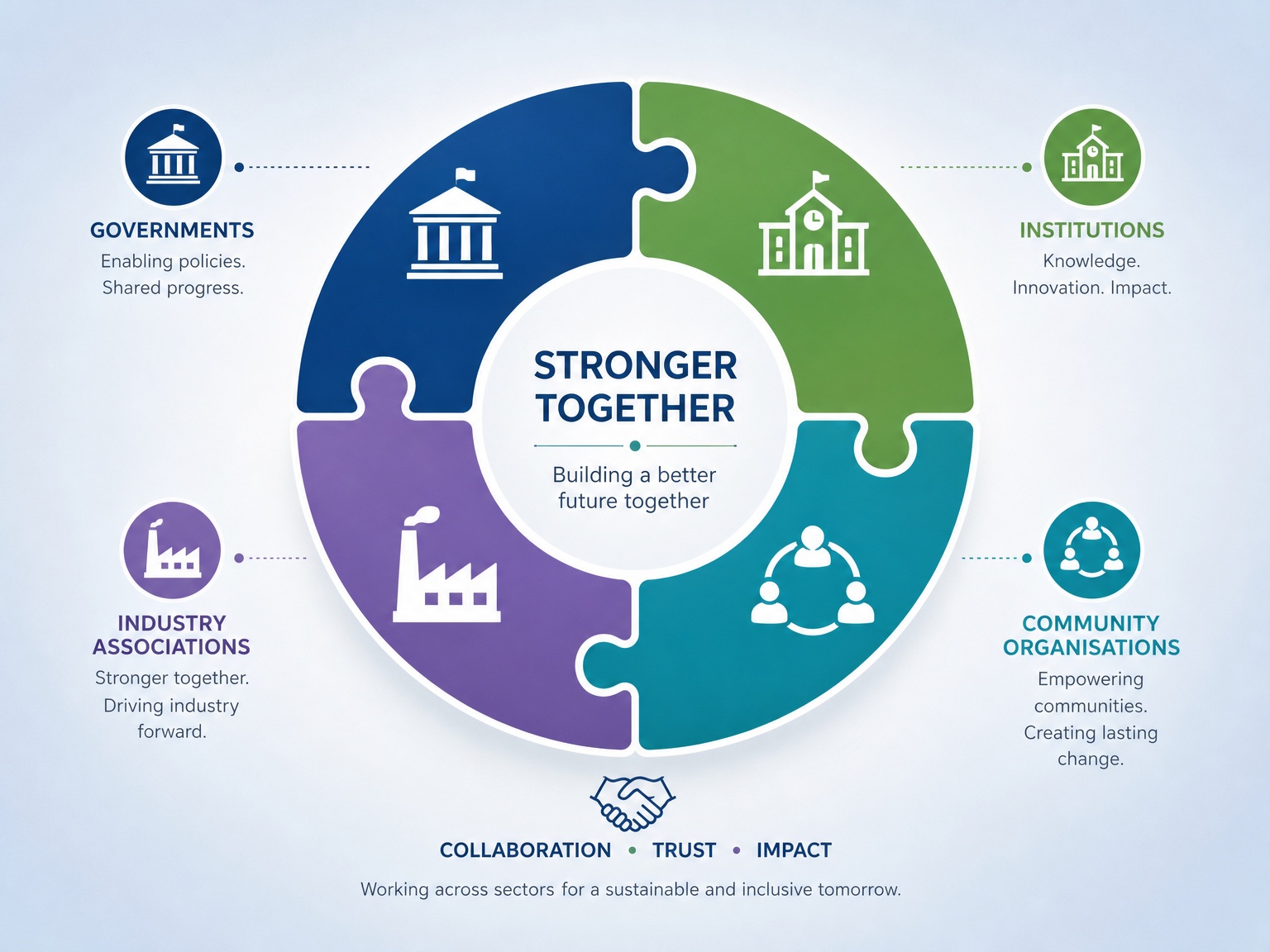
The initiative is not intended to replace existing labour mobility or migration pathways. Rather, it explores how governments, employers, industry, training organisations and development partners can work within and alongside existing arrangements to strengthen the connection between workforce demand, skills development and workplace readiness.
The potential value flows both ways: supporting workforce needs and economic growth in the Northern Territory while creating skills, income and employment opportunities for Timor-Leste. Over time, the skills and experience gained through international employment can also contribute to longer-term capability in Timor-Leste.
Benefits to Timor-Leste
Building skills, opportunity and capability for the future
Dili to Darwin – A Skills Initiative has the potential to create value for Timor-Leste well beyond individual employment opportunities.
At its heart is skills development. Preparing people against Australian-aligned training frameworks and qualification requirements can strengthen the capabilities of participants while also contributing to training capacity within Timor-Leste.
For those who secure employment opportunities in the Northern Territory, the benefits can extend to households and communities through increased income and potential remittances. Just as importantly, the skills, workplace experience and industry knowledge gained can become valuable assets for Timor-Leste itself.
Skills that stay valuable
Australian-aligned preparation can give participants skills that are relevant to the workplace and transferable across their careers.
Over time, this can also contribute to stronger local training infrastructure and a more capable domestic workforce. A proportion of participants may pursue opportunities within Timor-Leste, including construction and related sectors, while others returning from the Northern Territory can bring home practical experience that can be applied to businesses, infrastructure and national projects.
In this way, workforce mobility can contribute to skills circulation, developing capability that can create value both overseas and at home.
Creating wider economic opportunity
Employment can have an impact beyond the individual worker. Greater earning capacity and potential remittances can support households and contribute to economic activity within communities.
For young Timorese in particular, clearer pathways between training, skills and employment can broaden career aspirations and strengthen participation in economic life.
Dili to Darwin – A Skills Initiative also places importance on preparing participants to understand workplace rights and responsibilities, fair pay, health and safety, and the expectations of inclusive workplaces.
Benefits that can grow over time
The longer-term opportunity is to develop people who are not only prepared for employment, but better equipped to contribute wherever their careers take them.
Australian-aligned skills. Stronger local capability. Greater economic opportunity. Experience that can come home.
Benefits to the Northern Territory
Building workforce capacity for a growing Territory
The Northern Territory’s workforce needs are central to the Dili to Darwin proposition.
Dili to Darwin – A Skills Initiative is designed around genuine employer demand – identifying where workers are needed and preparing people with the skills, workplace understanding and industry readiness required for those opportunities.
A coordinated approach can give employers access to a more prepared workforce while reducing the need to repeatedly recruit and prepare workers in isolation.
Supporting industries that need people
Workforce availability has a direct bearing on the capacity of industries to grow and deliver.
D2D can support workforce requirements across areas including housing, construction and major projects, as well as essential services such as aged care, disability support and healthcare.
The objective is not simply to increase the number of available workers, but to create a more structured connection between identified employer demand and people who have been appropriately trained and prepared.
A more coordinated workforce pathway
By bringing employers, industry, training organisations and other stakeholders into the workforce development process, D2D can create greater alignment between the skills being developed and the capabilities workplaces actually require.
For employers, that can mean a clearer recruitment pathway and less duplication in identifying, preparing and supporting prospective workers.
For the Northern Territory, it can contribute to a workforce pipeline that responds to real economic and service-delivery needs.
Strengthening regional connections
The opportunity extends beyond workforce supply.
Closer workforce links between the Northern Territory and Timor-Leste can deepen cultural understanding, strengthen regional cooperation and create new connections between businesses and institutions.
Those relationships can also support expanding trade and investment links with Timor-Leste and the wider Southeast Asian region.
Growth that creates value on both sides
Dili to Darwin – A Skills Initiative presents an opportunity to connect the Northern Territory’s development with Timor-Leste’s skills and employment growth.